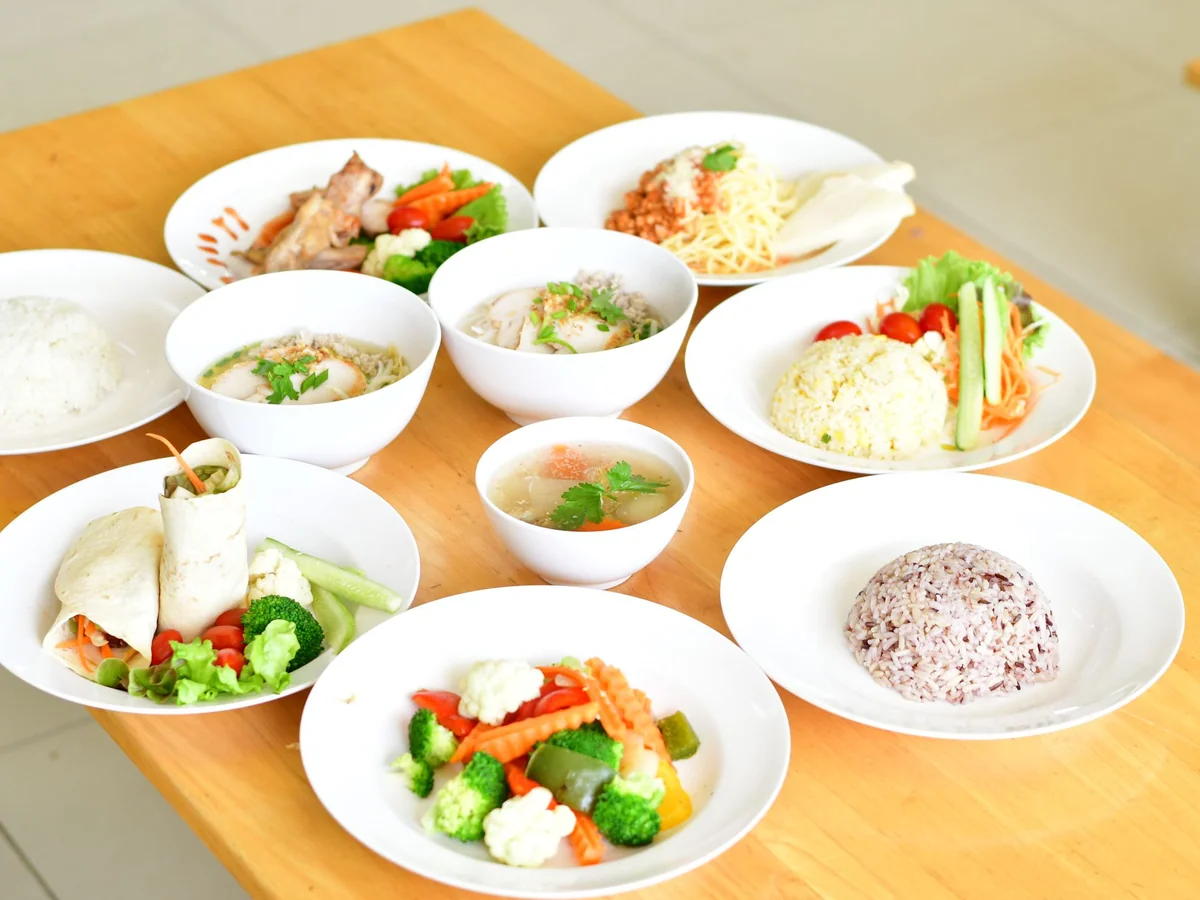
No-cook protein breakfast options works best as a support system, not a promise that every hard day will disappear.
This buying guide is built around a rushed weekday morning when coffee is easy but a balanced breakfast keeps getting postponed. For women who leave home early, dislike complicated breakfasts, or lose appetite when stressed, the goal is to find an option with enough protein, fiber, and convenience to prevent a midmorning energy drop while keeping the plan realistic enough to repeat. The central support idea is yogurt, cottage cheese, eggs, tofu, bean spreads, oats, nuts, and portable combinations.
The guidance below separates general education from medical care. Persistent, severe, unusual, or worsening symptoms deserve a clinician's assessment rather than a product experiment. When a purchase is mentioned, verify current ingredients, directions, safety information, price, and return terms with the seller or manufacturer.
Modern Well Woman uses commercial links to make product research easier and may earn a commission from qualifying purchases. That does not determine the decision points in this article, and a purchase is never required to use the routine or checklist.
What matters most
- Start with the practical goal: find an option with enough protein, fiber, and convenience to prevent a midmorning energy drop.
- Use this support structure: yogurt, cottage cheese, eggs, tofu, bean spreads, oats, nuts, and portable combinations.
- Before buying, verify: check protein, added sugar, sodium, allergens, serving size, storage, and cost per serving.
- Avoid this common problem: assuming every protein bar or shake is a complete breakfast or buying a large box before testing tolerance.
- Seek medical guidance for severe, persistent, unusual, or worsening symptoms.
What a useful no-cook protein breakfast options purchase should solve
A product should remove a specific barrier in a rushed weekday morning when coffee is easy but a balanced breakfast keeps getting postponed. If the barrier is time, choose a tool that saves a step; if it is discomfort, choose a feature that can be adjusted safely; if it is consistency, choose something easy to store and use without a setup ritual.
Consider the full environment around food access, meal structure, hydration, protein, fiber, iron, and supplement decisions in ordinary weeks. The best plan considers work hours, caregiving, transport, weather, sleep, food access, budget, and the people who share the space.
The support layer is yogurt, cottage cheese, eggs, tofu, bean spreads, oats, nuts, and portable combinations. Keep the minimum version available on low-capacity days and save the expanded version for periods when time and energy allow.
A product should remove a specific barrier in a rushed weekday morning when coffee is easy but a balanced breakfast keeps getting postponed. If the barrier is time, choose a tool that saves a step; if it is discomfort, choose a feature that can be adjusted safely; if it is consistency, choose something easy to store and use without a setup ritual.
Compare these details before the label
Compare the specification that matches the problem rather than the most impressive maximum number. A larger capacity, stronger motor, louder alarm, or longer battery does not help when the item is awkward, uncomfortable, or impossible to maintain.
Notice what happens after the first attempt. A product may look simple but be difficult to clean; a routine may feel good on a quiet day but impossible during a commute; a record may be accurate but too complicated to maintain.
A good support is easy to remember, safe for its intended use, and compatible with the rest of the week. If it adds several decisions, simplify before adding another product.
Compare the specification that matches the problem rather than the most impressive maximum number. A larger capacity, stronger motor, louder alarm, or longer battery does not help when the item is awkward, uncomfortable, or impossible to maintain.
- Define the real-life job: find an option with enough protein, fiber, and convenience to prevent a midmorning energy drop.
- Use the support structure: yogurt, cottage cheese, eggs, tofu, bean spreads, oats, nuts, and portable combinations.
- Confirm safety instructions, total cost, care needs, and return terms.
Setup, fit, and everyday use
Look for the details that determine whether the item becomes useful after the first week: cleaning access, replacement parts, storage footprint, controls, weight, noise, and warranty support.
Use precise language when deciding whether something helped. "I felt calmer" is useful, but so are fewer wake-ups, a shorter symptom window, easier meal preparation, or one less missed reminder.
Before purchase, confirm check protein, added sugar, sodium, allergens, serving size, storage, and cost per serving. Pay special attention to instructions, maintenance, safety limits, subscription requirements, and return costs.
Look for the details that determine whether the item becomes useful after the first week: cleaning access, replacement parts, storage footprint, controls, weight, noise, and warranty support.

Which features earn a place in your routine
For women who leave home early, dislike complicated breakfasts, or lose appetite when stressed, yogurt, cottage cheese, eggs, tofu, bean spreads, oats, nuts, and portable combinations matters more than novelty. A simpler option with dependable use can outperform a feature-heavy product that requires perfect conditions.
Keep the change reversible. Try one tool, one schedule adjustment, or one record format at a time so you can tell what made the difference.
Keep the realistic version close at hand. A tool stored in the back of a closet or an app hidden among dozens of notifications is unlikely to change the routine.
For women who leave home early, dislike complicated breakfasts, or lose appetite when stressed, yogurt, cottage cheese, eggs, tofu, bean spreads, oats, nuts, and portable combinations matters more than novelty. A simpler option with dependable use can outperform a feature-heavy product that requires perfect conditions.
- Keep the version for a busy day: yogurt, cottage cheese, eggs, tofu, bean spreads, oats, nuts, and portable combinations.
- Track one or two outcomes instead of every possible variable.
- Review after one week before changing the plan or buying more.
Where the price is justified
A product should remove a specific barrier in a rushed weekday morning when coffee is easy but a balanced breakfast keeps getting postponed. If the barrier is time, choose a tool that saves a step; if it is discomfort, choose a feature that can be adjusted safely; if it is consistency, choose something easy to store and use without a setup ritual.
Consider the full environment around food access, meal structure, hydration, protein, fiber, iron, and supplement decisions in ordinary weeks. The best plan considers work hours, caregiving, transport, weather, sleep, food access, budget, and the people who share the space.
The support layer is yogurt, cottage cheese, eggs, tofu, bean spreads, oats, nuts, and portable combinations. Keep the minimum version available on low-capacity days and save the expanded version for periods when time and energy allow.
A product should remove a specific barrier in a rushed weekday morning when coffee is easy but a balanced breakfast keeps getting postponed. If the barrier is time, choose a tool that saves a step; if it is discomfort, choose a feature that can be adjusted safely; if it is consistency, choose something easy to store and use without a setup ritual.
Red flags and safety boundaries
Compare the specification that matches the problem rather than the most impressive maximum number. A larger capacity, stronger motor, louder alarm, or longer battery does not help when the item is awkward, uncomfortable, or impossible to maintain.
Notice what happens after the first attempt. A product may look simple but be difficult to clean; a routine may feel good on a quiet day but impossible during a commute; a record may be accurate but too complicated to maintain.
A good support is easy to remember, safe for its intended use, and compatible with the rest of the week. If it adds several decisions, simplify before adding another product.
Compare the specification that matches the problem rather than the most impressive maximum number. A larger capacity, stronger motor, louder alarm, or longer battery does not help when the item is awkward, uncomfortable, or impossible to maintain.
A simple shopping decision
Look for the details that determine whether the item becomes useful after the first week: cleaning access, replacement parts, storage footprint, controls, weight, noise, and warranty support.
Use precise language when deciding whether something helped. "I felt calmer" is useful, but so are fewer wake-ups, a shorter symptom window, easier meal preparation, or one less missed reminder.
Before purchase, confirm check protein, added sugar, sodium, allergens, serving size, storage, and cost per serving. Pay special attention to instructions, maintenance, safety limits, subscription requirements, and return costs.
Look for the details that determine whether the item becomes useful after the first week: cleaning access, replacement parts, storage footprint, controls, weight, noise, and warranty support.
A useful no-cook protein breakfast options decision should make one part of the week clearer, not more complicated.
Scenario-led buying directions
Three ways to compare protein breakfasts for mornings with no time to cook
These are comparison starting points, not universal product ratings. Check current specifications, safety directions, price, availability, and return terms before ordering.
Best for a simple routine
A low-friction option for no-cook protein breakfast options
Start here if find an option with enough protein, fiber, and convenience to prevent a midmorning energy drop is the main issue. This direction favors straightforward use, familiar instructions, and fewer features that demand attention.
Good fit for
- women who leave home early, dislike complicated breakfasts, or lose appetite when stressed
- Readers who want a product that is easy to store and repeat
- Shoppers comparing practical specifications rather than prestige labels
Compare
- Designed around find an option with enough protein, fiber, and convenience to prevent a midmorning energy drop
- Can support yogurt, cottage cheese, eggs, tofu, bean spreads, oats, nuts, and portable combinations
- Check current instructions, materials, safety limits, and warranty before purchase
A simple option may not include every premium feature, but fewer controls and fewer replacement parts can make it easier to use consistently.
Compare current optionsAffiliate link. Price and availability may change.Best for the main scenario
A scenario-first option for no-cook protein breakfast options
Choose this comparison path when a rushed weekday morning when coffee is easy but a balanced breakfast keeps getting postponed determines the purchase more than general product hype.
Good fit for
- Women dealing with a rushed weekday morning when coffee is easy but a balanced breakfast keeps getting postponed
- Readers who need the tool to fit a specific room, schedule, or travel setup
- Shoppers who value adjustable settings and clear limitations
Compare
- A format that matches the intended environment
- Controls or instructions that support safe, appropriate use
- A realistic care, storage, and replacement plan
A specialized option can be more useful for one setting but less adaptable elsewhere. Confirm that the benefit is worth the narrower role.
Compare current optionsAffiliate link. Price and availability may change.Best value to compare
A considered upgrade for no-cook protein breakfast options
Pay more only when it solves a verified problem. Before comparing premium options, confirm check protein, added sugar, sodium, allergens, serving size, storage, and cost per serving.
Good fit for
- Readers replacing an item that repeatedly failed or caused friction
- Shoppers who need replacement parts, stronger support, or better longevity
- Women with a clearly defined use case rather than general curiosity
Compare
- A measurable improvement in fit, durability, safety, or ease of use
- Clear product support and accessible care instructions
- A repeat-use case that can justify the higher cost
A premium price is not proof of better outcomes. Buy the documented benefit you need, not the most complex version available.
Compare current optionsAffiliate link. Price and availability may change.Questions to keep handy
Frequently asked questions
What is the first step with no-cook protein breakfast options?
Define the real-life goal. For this topic, begin with find an option with enough protein, fiber, and convenience to prevent a midmorning energy drop rather than choosing a product or routine from marketing alone.
How long should I test one change?
Use one week to check feasibility and several weeks to look for a meaningful pattern, depending on the topic. Follow instructions and seek clinical guidance when symptoms are persistent, severe, or changing.
What should I verify before buying no-cook protein breakfast options?
Check protein, added sugar, sodium, allergens, serving size, storage, and cost per serving. Also confirm current directions, safety information, care, replacement supplies, shipping, and return terms.
What common mistake should I avoid?
Assuming every protein bar or shake is a complete breakfast or buying a large box before testing tolerance. A purchase or routine should not delay assessment of symptoms that may need medical care.
Does this article provide medical advice?
No. It provides general education and product-comparison questions. A qualified clinician who knows your history should guide diagnosis, treatment, medication, supplementation, and urgent concerns.